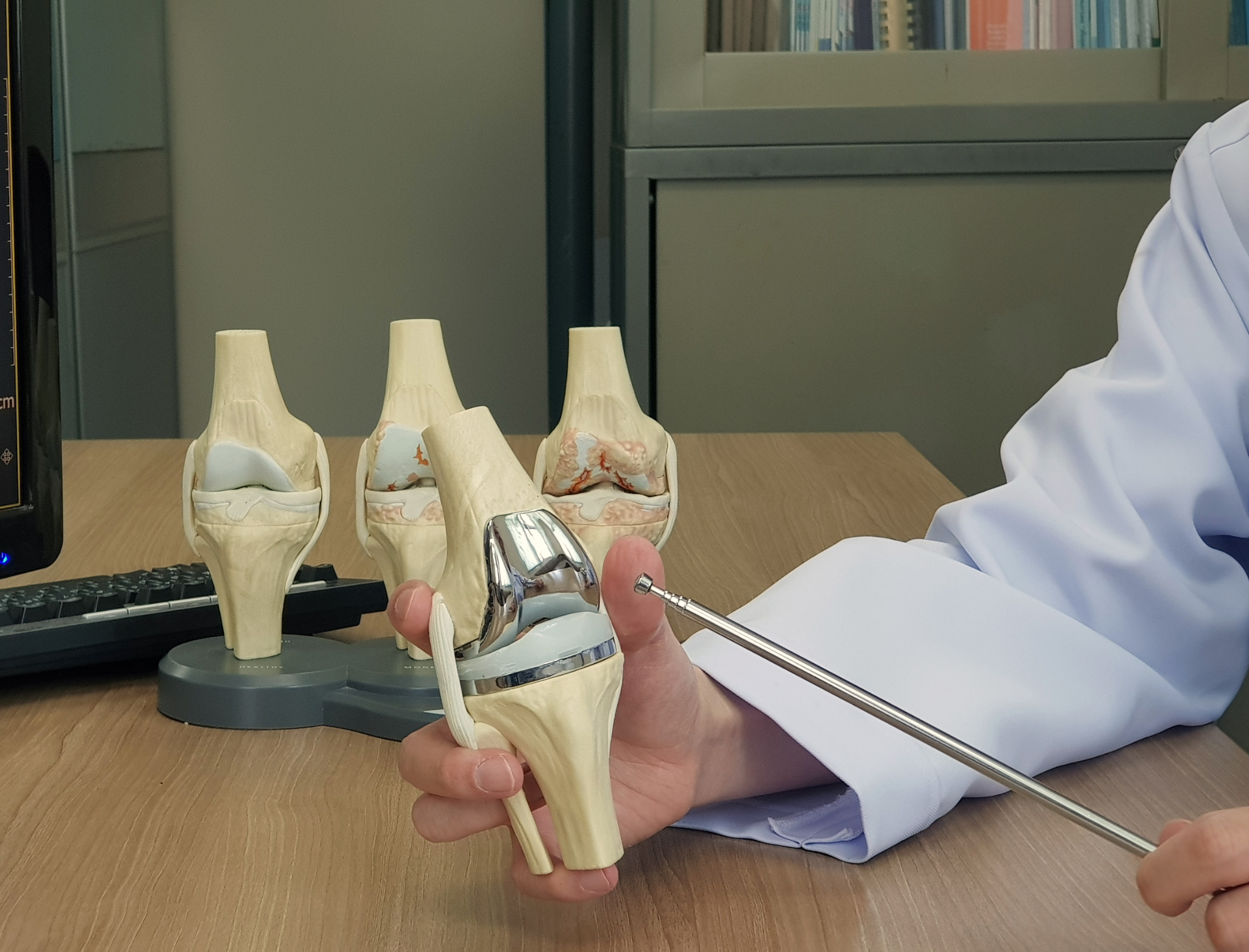
Total Hip Replacement
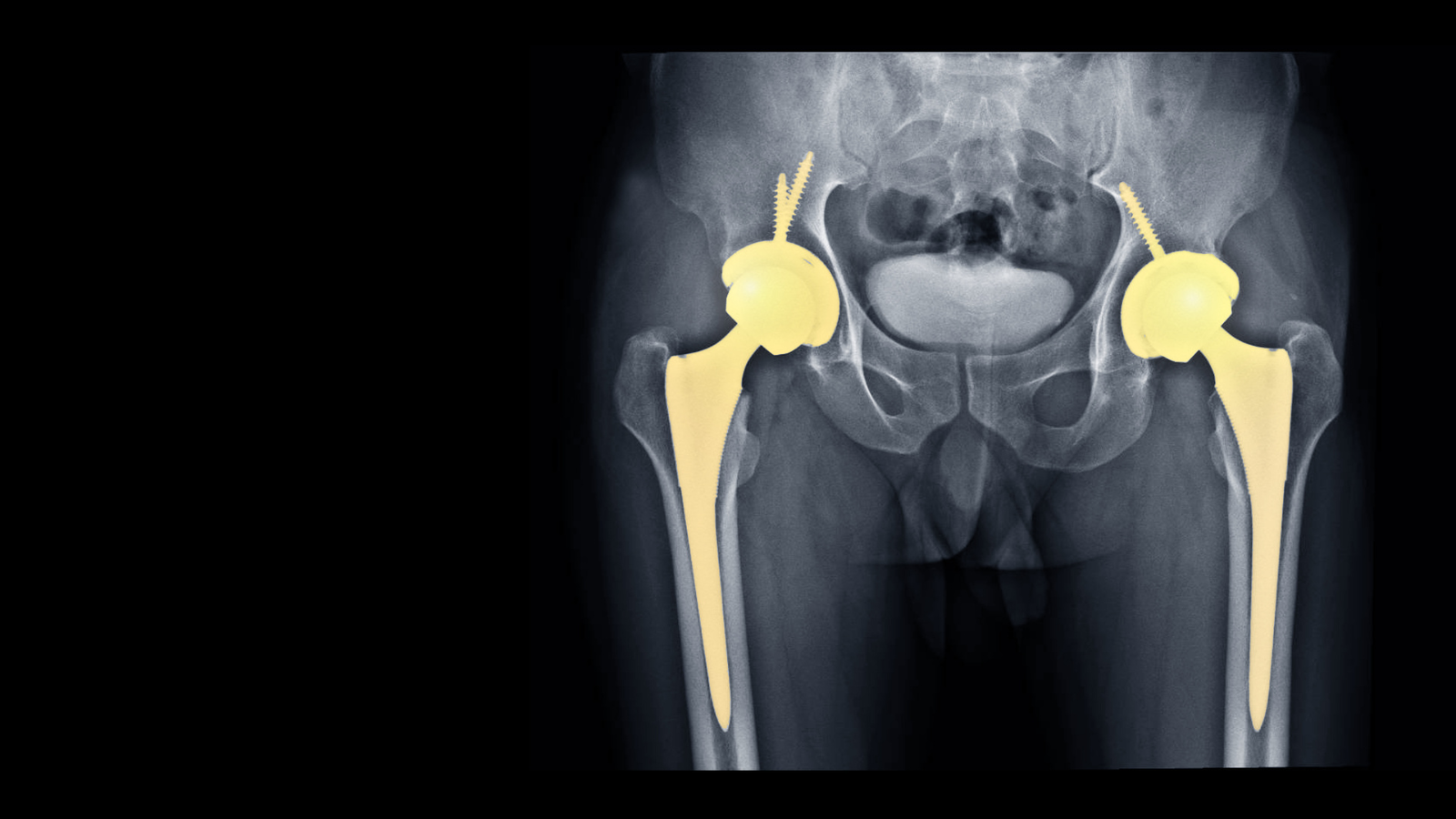
The total hip replacement involves replacing the damaged sections of the hip joint with an artificial joint (prosthesis).
The total hip replacement involves replacing the damaged sections of the hip joint with an artificial joint (prosthesis).
The total hip replacement, also called total hip arthroplasty involves replacing the damaged sections of the hip joint with an artificial joint (prosthesis). Such artificial joint is usually made of metal, ceramic, and very hard plastic. The conventional total hip replacement will be performed through a 10 to 12 inches long incision made on the side of the hip.
On the contrary, the minimally invasive total hip replacement surgery, uses minimally invasive techniques and a small amount of skin, muscle, and other soft tissues that must be cut (typically 3 to 5 inches long). A minimally invasive approach is successfully performed through one or two smaller incisions rather than the single long incision as in the traditional approach. Such an approach offers advantages like lesser muscle dissection, minimal pain, quicker and easier recovery, smaller scars, and faster rehabilitation compared to traditional hip replacement surgery.
Some conditions that damage the hip joint make the total hip replacement surgery necessary, as listed below.