
PCL Reconstruction
The posterior cruciate ligament (PCL) is a ligament located on the inside of your knee - behind the anterior cruciate ligament.
The posterior cruciate ligament (PCL) is a ligament located on the inside of your knee - behind the anterior cruciate ligament.
The posterior cruciate ligament (PCL) is a ligament located on the inside of your knee - behind the anterior cruciate ligament. It connects your shin bone to your thigh bone. The PCL helps keep your shin bone from moving backward with respect to your thigh bone. A torn PCL may result from a severe twisting injury, falling on an outstretched knee, or injuring the knee during contact sports." It can be mildly damaged, partial tear or complete tear of the ligament.
Over-extension and hyper-flexion of the knee are some of the main causes of a PCL injury. Most PCL injuries occur during high-impact sports and automobile accidents, though an individual may develop knee pain when participating in activities that involve a lot of heavy activity, such as competitive sports.
PCL reconstruction surgery involves repairing a damaged knee with tissue graft taken from another part of the body, or a donor.
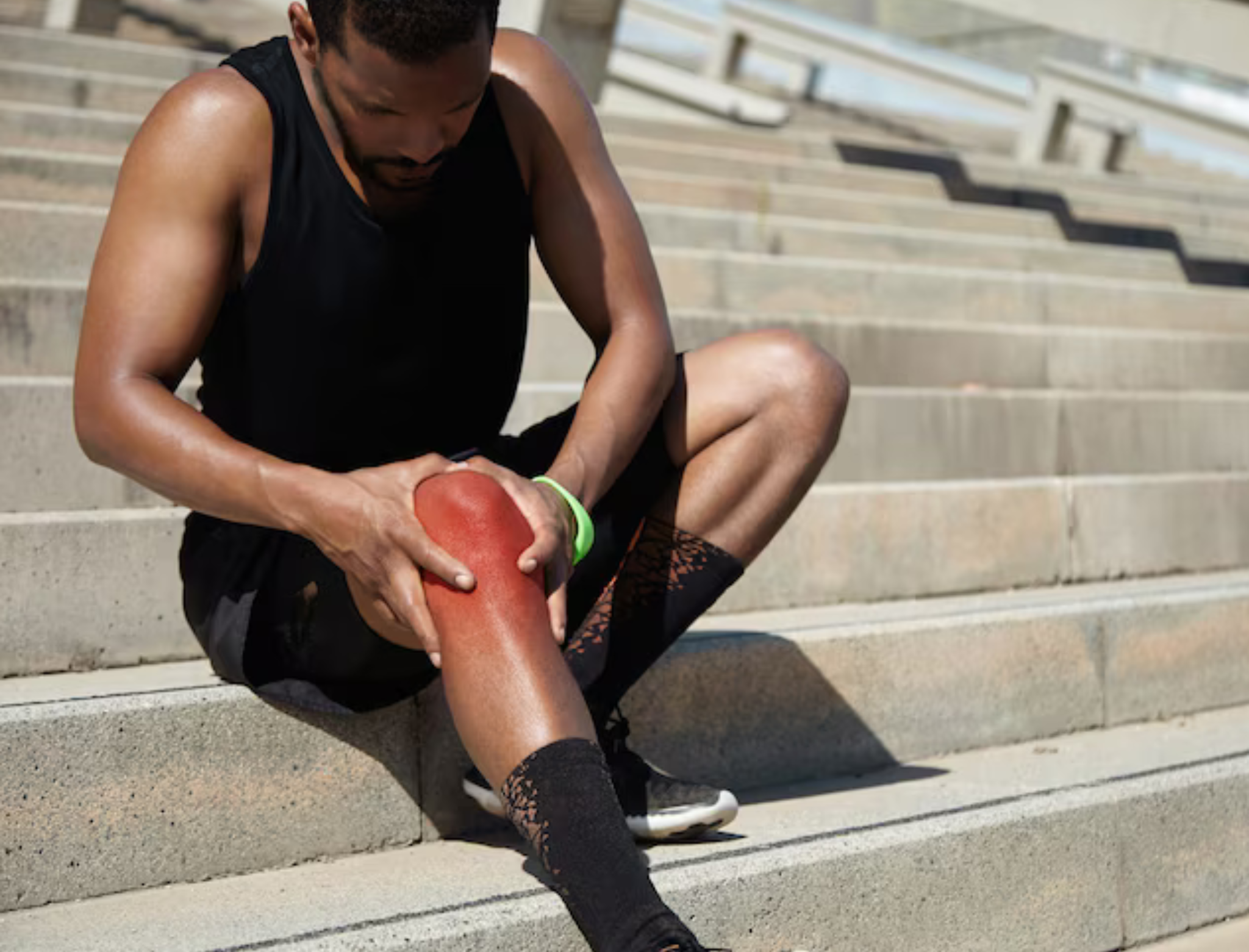
A PCL tear can be tough to diagnose at first. You may feel a snap and then pain and swelling will occur in your knee. You will find it difficult to walk or bear any weight on your knee. The knee may feel unstable, like it is going to give way at any time.
To diagnose your condition, your doctor will evaluate your medical history, the way your knee looks and feels, and may order other tests. X-rays are helpful for finding out if you have an injury such as an avulsion fracture (where the PCL tears off a piece of bone) or a tear in the tissue around the knee joint. Both of these injuries can show up on an X-ray. An MRI scan can give your doctor good images of soft tissues like ligaments and tendons.
Numerous options are available for the treatment of pcl injuries. These include non surgical and surgical treatment. Non surgical treatment involves the use of ice, rest, compression and elevation of the knee, along with physical therapy to strengthen the knee muscles and restore motion. A knee brace may be employed in order to immobilize the knee. Crutches may be used to prevent weight bearing to allow the bone and soft tissues time to heal.
When a posterior cruciate ligament (PCL) is completely torn, your doctor may opt for posterior cruciate ligament reconstruction, or PCL reconstruction. In this procedure, the injured ends of your PCL are restored by attaching a healthy tendon to the bone using wire anchors and screws. The graft is harvested from another part of the body, or from a cadaver.