Hip and Groin Pain
Hips are highly stable joints, and it takes a large amount of force to injure this joint.
Hips are highly stable joints, and it takes a large amount of force to injure this joint.
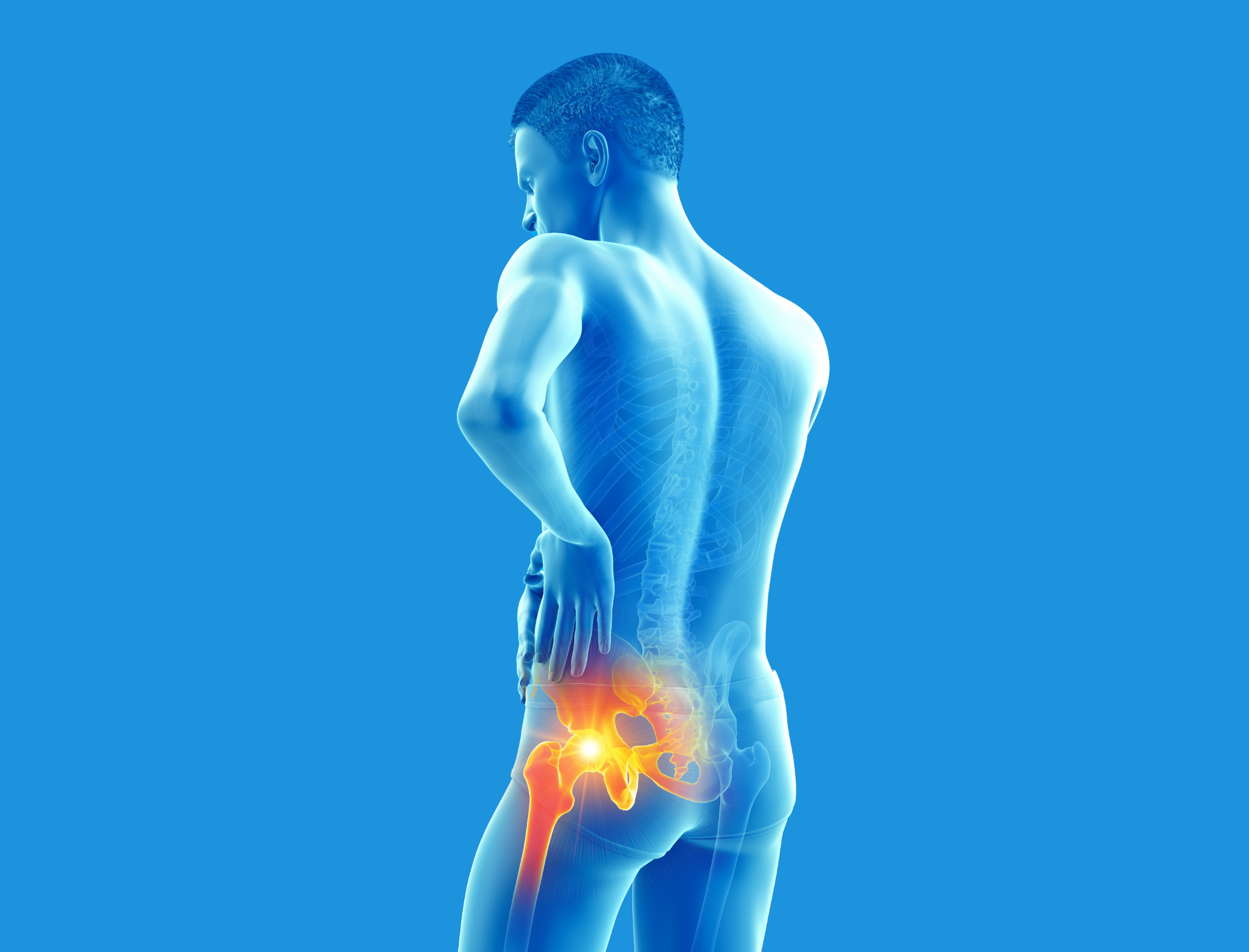
The hip is a ball and socket joint. The ball-like end of the thigh bone (femoral head) fits into the cup-like area of the pelvis. Hips are highly stable joints, and it takes a large amount of force to injure this joint.
Musculoskeletal hip and groin pain are very common conditions that require an individualized treatment plan. One of the most common locations of hip and groin pain is the psoas muscle, which originates at the lower spine and runs down through the abdominal cavity, crosses over the pelvic bone, and inserts into the thighbone. Likewise, groin pain most commonly affects athletes and middle-aged people who have an active lifestyle. With sports specific training and rehabilitative exercises, these injuries can usually be treated adequately.
These include pubic overload or osteitis pubis, sports hernia, labral tears of the hip joint, and endometriosis. Groin pain is often related to sports and activity, commonly attributed to muscle or tendons. While debilitating groin pain is an issue for some, most cases are not. Endometriosis can be treated with different surgical techniques depending upon severity of symptoms.
If you're experiencing hip pain, we can help. Maybe you've suffered an injury and want a fast recovery, or maybe you want to learn about prevention tips. Depending on what is causing the hip pain, other symptoms may include:
Based on the diagnosis, we can then choose specific non-surgical or surgical treatment options. However, for patients with iliopsoas tendinopathy and femoroacetabular impingement (FAI), non-surgical treatments are preferred.