SLAP Repair
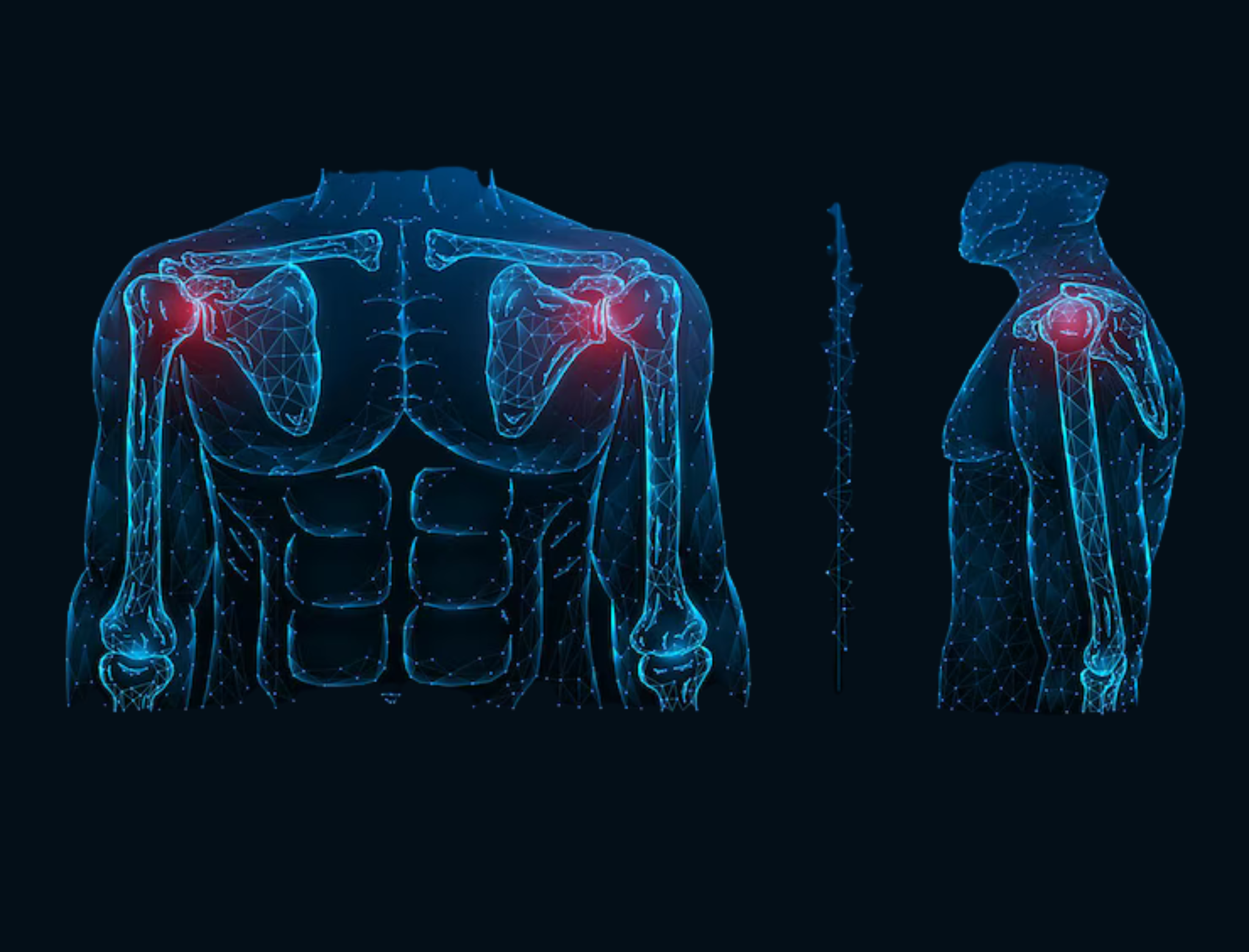
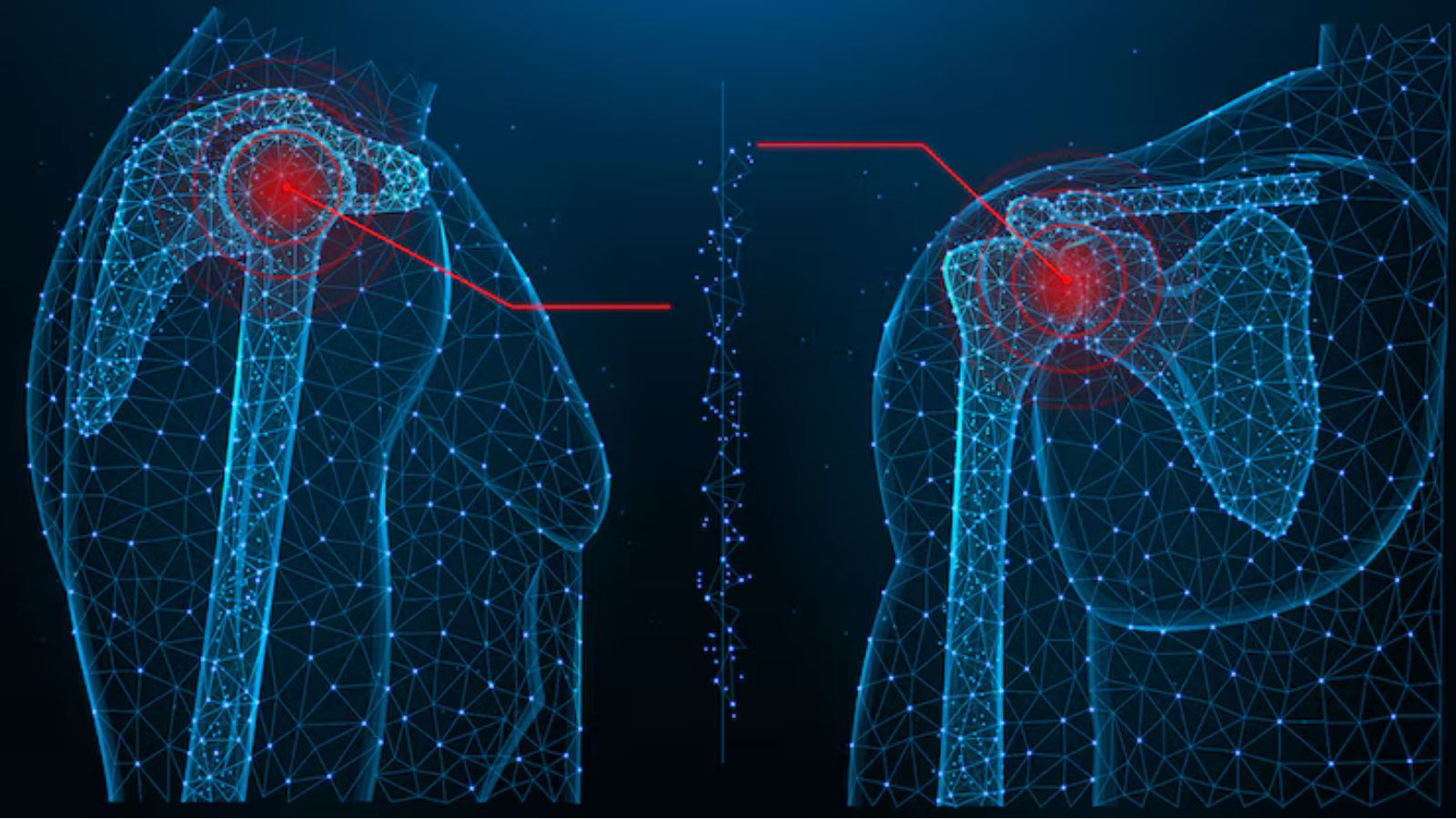
A SLAP Tear (Superior Labrum from Anterior to Posterior) is a condition affecting the front of the shoulder.
A SLAP Tear (Superior Labrum from Anterior to Posterior) is a condition affecting the front of the shoulder.
A SLAP Tear (Superior Labrum from Anterior to Posterior) is a condition affecting the front of the shoulder. A SLAP tear can occur from trauma or overuse, falling on an outstretched arm, it affects athletes involved in sports that require repetitive overhead activities and people often experience this condition after a car accident.
The condition occurs most often in athletes, especially those involved in sports that require repetitive overhead activities such as baseball, tennis, soccer, golf, swimming and volleyball.A torn labrum can also develop in patients over 40 years old or with damage to the rotator cuff.
SLAP lesions are often a cause of shoulder pain, especially when lifting overhead and doing activities that require taking weight off the affected side.
Pain may radiate down the outside of your upper arm and even into the lateral aspect of your elbow. It is associated with diminished strength, loss of velocity or control in throwers, decreased endurance during activities as well as instability and “true dislocation” of the joint.
The surgical method most commonly used by orthopaedic surgeons and sports medicine physicians to treat a SLAP tear is arthroscopy. The arthroscopic technique involves inserting a tiny camera into the shoulder joint, and the surgeon uses this to look around the joint, removing any damaged tissue from the labrum.The torn labrum is then repaired with sutures, or stitches, and reattached to the humerus bone, while the biceps tendon is detached from the labrum, allowing for faster recovery time.
Following surgery you will be instructed to wear your sling for the first three weeks and then gradually start moving the shoulder within its joint range.You may need physical therapy later in order to regain full strength of your shoulder back to its old glory.While taking pain medications and applying ice packs to control swelling and pain, physical therapy can help regain motion and strength after surgery.You should avoid driving until your physician clears you to do so, which could take up to a few weeks.After consultation with your surgeon and physical therapist, you can gradually return to sports activities.