
Shoulder Pain
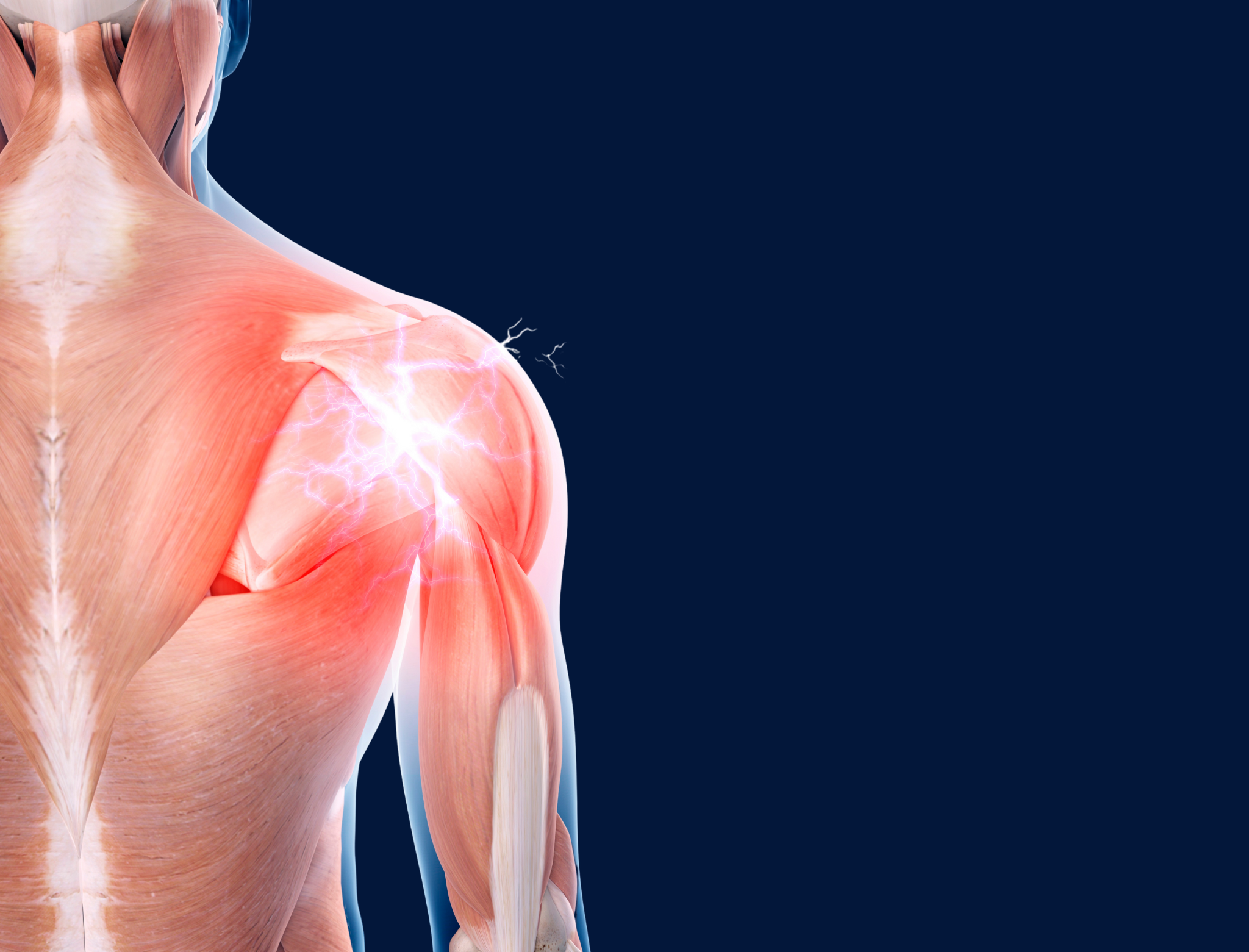
Shoulder pain occurs when different structures in the shoulder joint become damaged.
Shoulder pain occurs when different structures in the shoulder joint become damaged.
Causes of shoulder pain are numerous and may include inflammation of synovial joints, osteoarthritis, dislocation, separation, fracture, rotator cuff tendinitis, bursitis, labral tears, and other injuries. Shoulder pain occurs when different structures in the shoulder joint become damaged. The shoulder is one of the most movable joints in the body. It is also an unstable joint because of its range-of-motion. The shoulder joint also has to be supported by soft tissues muscles, tendons, and ligaments which are also prone to injury. Main causes of pain in the shoulder are diseases, wear and tear, degenerative conditions, overuse and under use.
The first step in the evaluation will include a comprehensive history and physical examination of the shoulder. Your doctor will ask how and when the pain started, whether it has occurred before, and how it was treated. He or she will observe your shoulder range of motion and strength, check for tender areas, deformities or swelling, and look for abnormalities.
Symptoms of shoulder pain can be mild, such as a dull ache that gradually builds over several weeks, or be a more sudden, sharp pain. Following are some symptoms of shoulder pain:
Since all shoulder conditions have different symptoms and causes, your doctor will be required to perform a thorough examination in order to precisely identify the problems.
To treat your shoulder pain, your doctor will recommend medication, rest, and physical therapy or also prescribe injections of numbing medicines or steroids to relieve pain depending on your condition.
If your shoulder pain is severe, or if you are experiencing an ongoing loss of motion in your shoulder, and the problem will not respond to other forms of more conservative treatment (such as rest, anti-inflammatory medications, physical therapy, and cortisone injections), surgery may be recommended. Surgical approaches include open procedures with large reconstructions and total shoulder replacement.