
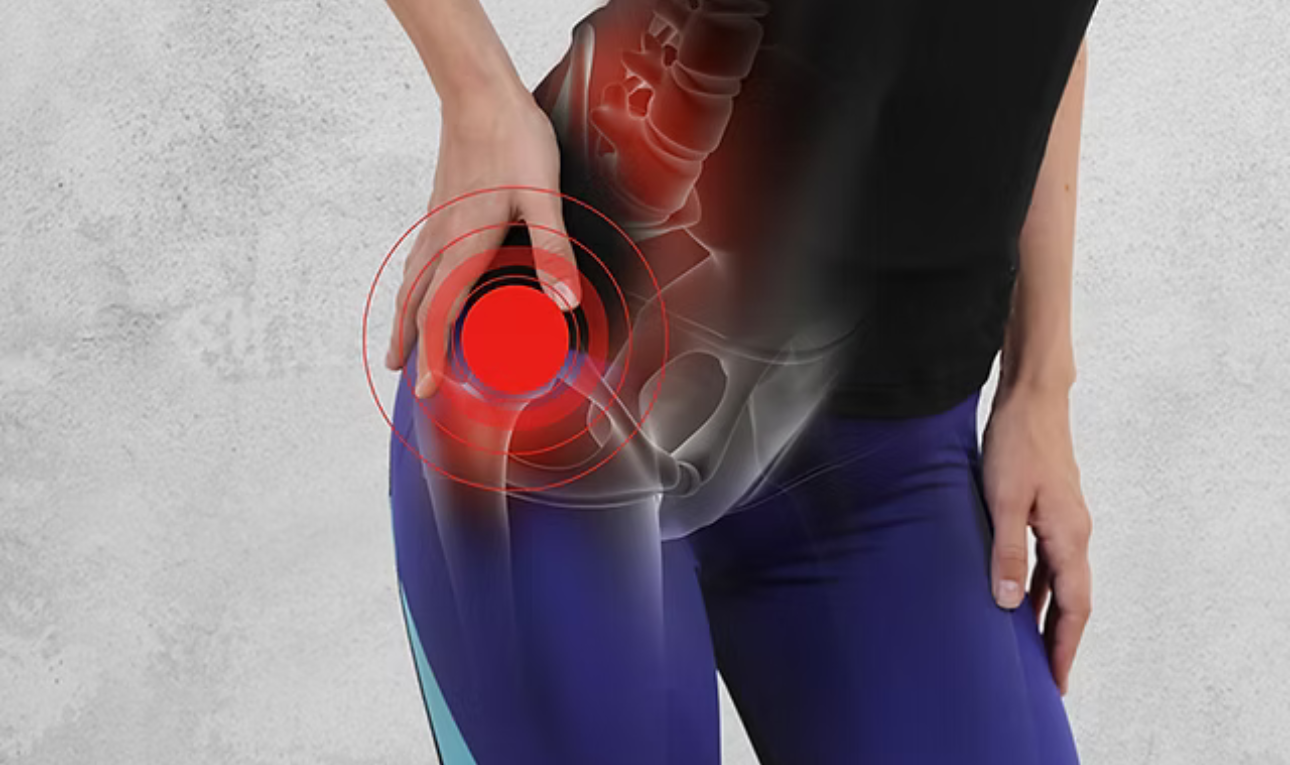
Hip and Groin Pain
Hip and groin pain can significantly affect movement, flexibility, and daily activities. It may be caused by muscle strain, ligament injuries, arthritis, hip joint problems, or overuse during physical activities. Pain in this region can sometimes radiate to the thigh or lower back, making walking, sitting, or standing uncomfortable.
Early diagnosis and proper treatment are essential to prevent the condition from worsening. With advanced orthopedic care, most hip and groin issues can be effectively managed through non-surgical treatments such as physiotherapy, medications, and lifestyle changes. In more severe cases, surgical intervention may be required to restore joint function and relieve pain.
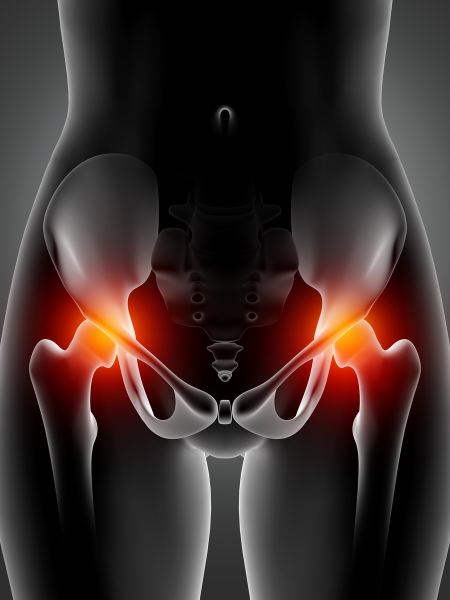
Benefits of Hip and Groin Pain Treatment
Early treatment helps reduce discomfort, improve movement, and enhance overall well-being.
-
Pain Relief
Helps reduce stiffness and discomfort in the hip and groin area.
-
Improved Mobility
Restores flexibility and smooth joint movement.
-
Better Stability
Strengthens muscles and improves joint support.
Long term care services
Managing hip and groin pain requires a structured and long-term approach focused on recovery and prevention. Our goal is to not only treat the pain but also improve joint strength and flexibility for long-lasting results.
We provide personalized care plans including physiotherapy, strengthening exercises, posture correction, and lifestyle modifications. Advanced treatments and minimally invasive procedures are available for complex cases. Regular follow-ups ensure continuous improvement and help patients return to an active, pain-free life.
Frequently Asked Questions
Hip and groin pain can be effectively managed with the right care and treatment.
It can be caused by muscle strain, ligament injuries, arthritis, or hip joint problems.
If the pain persists, worsens, or affects daily activities, medical advice is recommended.
Treatment includes medications, physiotherapy, exercises, and in some cases, surgery.
Yes, regular exercise, proper posture, and avoiding strain can help prevent pain.